 Plan your garden around a simple bloom calendar so you have flowers from early spring through the first frost.


The Real Talk on iGaming: Slots, Poker, and Not Losing Your Shirt
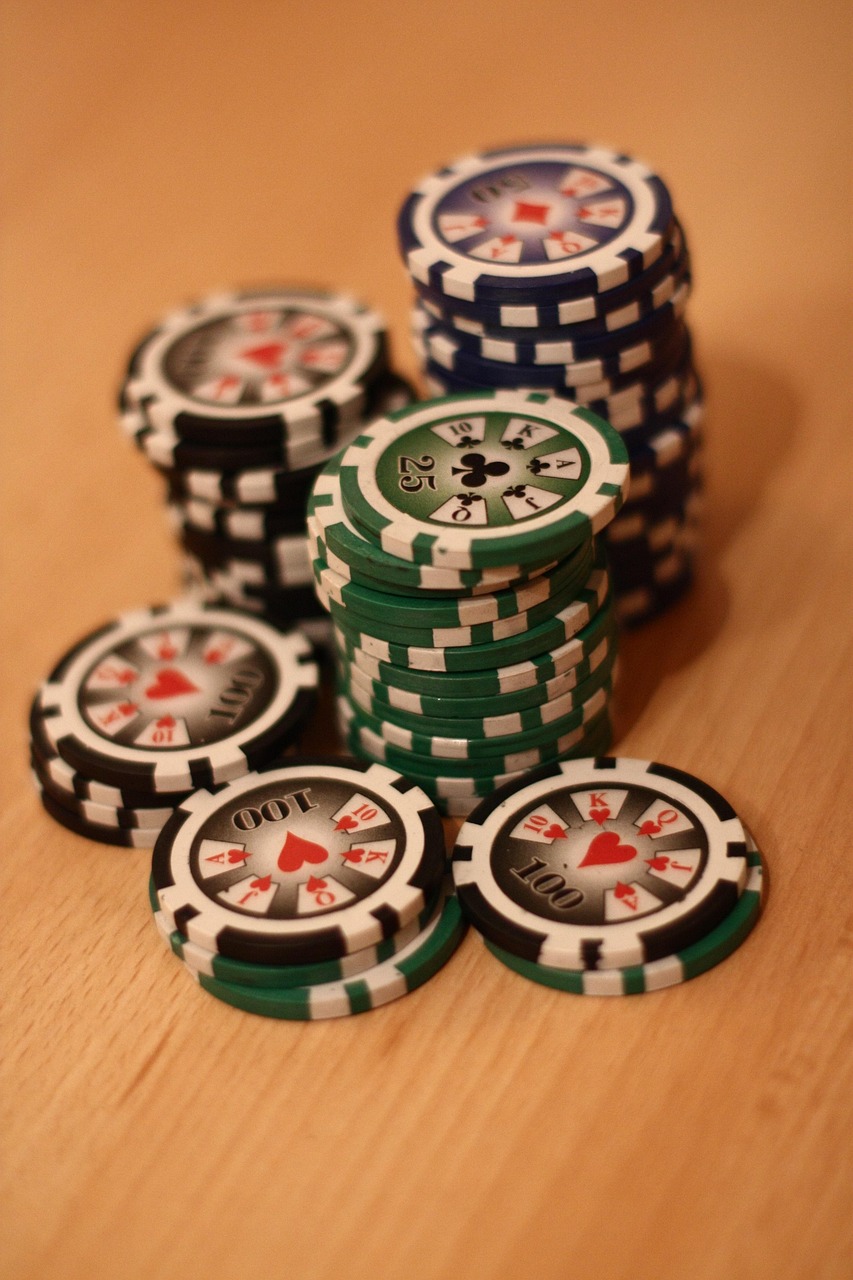
So you’ve decided to dip your toes into the wild world of online casinos and sports betting. Maybe a friend showed you a slot win that paid for their vacation, or you caught a late-night poker stream and thought, “I could do that.” Welcome to the iGaming rabbit hole. It’s a multi-billion dollar industry that runs 24/7, and it’s designed to be entertaining, occasionally profitable, and extremely good at separating you from your cash if you don’t know the score. This isn’t a lecture about gambling being bad. You’re an adult. This is a reality check from someone who’s been around the digital felt long enough to see the patterns.
Let’s talk strategy, psychology, and the practical stuff that separates a fun session from a regretful one.
The Slot Machine Illusion: RNGs, RTP, and Why Your “Hot Streak” Is a Myth
Slots are the bread and butter of any online casino. They’re easy, flashy, and require zero skill. That’s also their trap. You’ll hear people say a machine is “due” or “running hot.” It’s nonsense. Every spin is independent, driven by a Random Number Generator (RNG) that’s audited to within an inch of its life.
The number you actually need to care about is Return to Player (RTP). This is the theoretical percentage of all wagered money a slot pays back over millions of spins. A 96% RTP slot means the house keeps 4 cents on every dollar cycled through. Over time, that’s a guaranteed loss for the collective player pool.
But here’s the practical bit: not all slots are created equal. A quick scan of the paytable or the game info screen reveals the RTP. You’ll see some at 94%, some at 97%. That three percent difference is massive over hundreds of spins. Choose the higher RTP games. Also, understand volatility. High-volatility slots (like many Megaways titles) pay out less often but can hit huge. Low-volatility slots nickel-and-dime you with frequent small wins. Match the volatility to your bankroll. If you’re on a $50 budget, a high-volatility slot is likely to eat you alive in ten minutes. Low volatility keeps you in the game longer.
Poker: The Only iGaming Format Where You Can Actually Win Long-Term
This is the uncomfortable truth for casino operators: poker is a skill game. Unlike slots, where the math is fixed against you, poker pits you against other players, not the house. The house takes a rake (a small cut of each pot), but the bulk of the money moves between players.
If you’re willing to put in the work, poker is beatable. But “willing to put in the work” means hundreds of hours studying ranges, pot odds, and player tendencies. Here’s a quick reality check for new online players: Anyone weighing up options should see mahjong slot.
- Micro-stakes are not easy money. The $0.01/$0.02 games are full of grinders and bots. The play is often tighter and more aggressive than you’d expect.
- Track everything. Use a HUD (Heads-Up Display) if the site allows it. If not, take notes manually. You need data on your opponents.
- Bankroll management is non-negotiable. A common rule is 20 buy-ins for cash games. If you play $0.05/$0.10, you need at least $200 dedicated to poker. If you lose that, you drop down or stop.
- Tournaments are a different beast. The variance is brutal. You can play perfectly and bust out 90% of the time. The payouts come from the final table. Don’t play tournaments if you can’t handle long dry spells.
The biggest mistake? Playing tired, tilted, or drunk. Online poker moves fast, and one bad decision can wipe out an hour of good play. The moment you feel angry about a bad beat, close the table. That’s a skill that takes years to master, but it’s the most valuable one you’ll learn.
Sports Betting: Line Shopping, Bankroll, and the Vig
Sports betting has exploded online. It feels like you’re outsmarting the bookie by betting on your team. You’re not. The bookie’s edge is baked into the odds. That’s the vig, or juice. A standard -110 line on both sides means you have to win 52.4% of your bets just to break even. That’s a razor-thin margin.
To have any shot, you need to shop for lines. Different sportsbooks offer slightly different odds on the same game. Getting -105 instead of -110 doesn’t sound like much, but over 500 bets, it’s a huge difference. Use odds comparison sites. Also, specialize. Don’t bet on every sport. Pick one league, one team, or one type of bet (like player props) and become an expert. The casual bettor who throws $20 on a random Tuesday night football game is the reason sportsbooks have those shiny lobbies.
Bonuses and Promotions: Read the Fine Print or Get Burned
Every casino and sportsbook throws welcome bonuses at you. “Deposit $100, get $100 free!” Sounds great. Then you read the terms.
- Wagering requirements: That $100 bonus might come with a 40x rollover. That means you have to bet $4,000 before you can withdraw a single cent of bonus winnings. Many players never clear it.
- Game weighting: Slots usually count 100% toward rollover. Table games like blackjack or poker might only count 10%. So a $100 bonus on blackjack needs $40,000 in bets.
- Time limits: You might have 7 days to clear the rollover. If you don’t, the bonus and any winnings vanish.
My advice: If you take a bonus, treat it as a free trial, not free money. Or, better yet, look for no-wagering bonuses (rare but they exist) or deposit bonuses that come with minimal strings. The best bonus is often no bonus at all, because it means you can withdraw whenever you want without restrictions.
The Psychology of the Click: Why You Keep Playing When You’re Losing
iGaming is engineered to keep you engaged. Variable ratio reinforcement is the same principle that makes slot machines addictive. You don’t know when the next win is coming, so you keep pulling the lever. Near-misses (two cherries and a lemon) activate the same reward pathways as a win. The flashing lights, the sounds, the celebratory animations—it’s all designed to mask how much time and money you’ve spent.
Set hard limits before you log in. Not just a deposit limit. A time limit. A loss limit. And a win limit. If you’re up $200, walk away. The cash is real. The thrill of a big win is fleeting, and you’ll chase it back down to zero if you don’t have the discipline to stop. Use the site’s responsible gaming tools. They exist for a reason. If you feel yourself getting frustrated or chasing losses, that’s your cue to close the browser and do something else. The games will still be there tomorrow.
The Bottom Line: Treat iGaming Like Entertainment, Not Income
Here’s the honest take: For 99% of people, iGaming is a form of paid entertainment. You pay for the thrill, the distraction, the hope of a big score. That’s fine. But the moment you start viewing it as a side hustle or a way to pay bills, you’re in dangerous territory. The math is against you in slots and sports betting. It’s only neutral in poker, and only if you’re better than your opponents.
If you’re going to play, play smart. Choose high RTP slots. Shop lines. Study poker. Never take a bonus you don’t understand. And never, ever bet money you can’t afford to lose. The house always wins in the long run. Your job is to make sure you’re having fun while the wheel spins. That’s the only real edge you have.