
 Everything you need to know to plant, train, and enjoy a thriving honeysuckle vine in your own backyard.
Creating a Backyard Bloom Calendar So Something Is Always Flowering
One of the quiet disappointments of a new garden is the gap — that stretch in midsummer when the spring bulbs are long gone and the late bloomers haven't started yet. The fix isn't more plants, necessarily. It's better planning. A bloom calendar is simply a list of what flowers when, arranged so that as one plant fades, another takes its place. Once you've built one, your garden stops being a series of moments and starts being a continuous season.
The easiest way to start is to work backward from what you already have. Walk your yard each week for a full year if you can, noting what's blooming and when. If you're starting fresh, don't worry — you can build the calendar on paper and adjust as you learn how your specific light, soil, and climate behave.
Mapping the Seasons
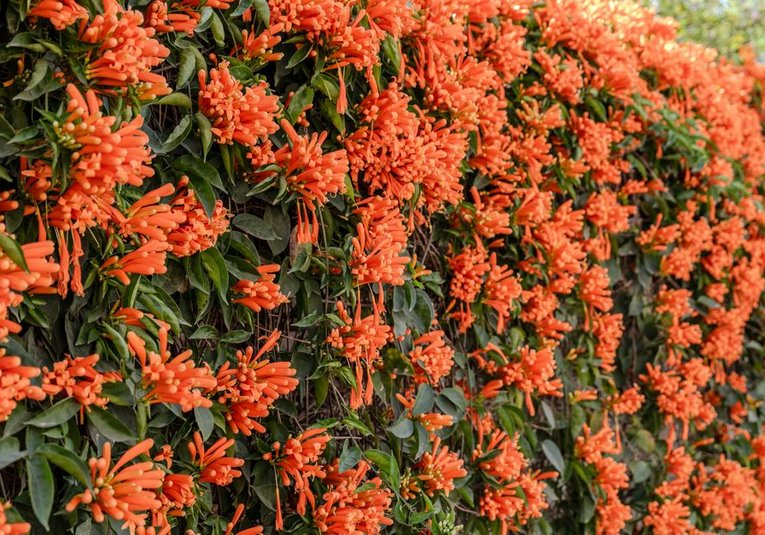
Begin with early spring. This is the domain of bulbs and early perennials: daffodils, crocus, hellebores, and pulmonaria. Add a flowering shrub or two, like forsythia or flowering quince, for structure. As spring deepens, bring in columbine, bleeding heart, and early woodland phlox. By late spring, you're into peonies, iris, and the first roses, and this is also when honeysuckle vines begin their long performance.
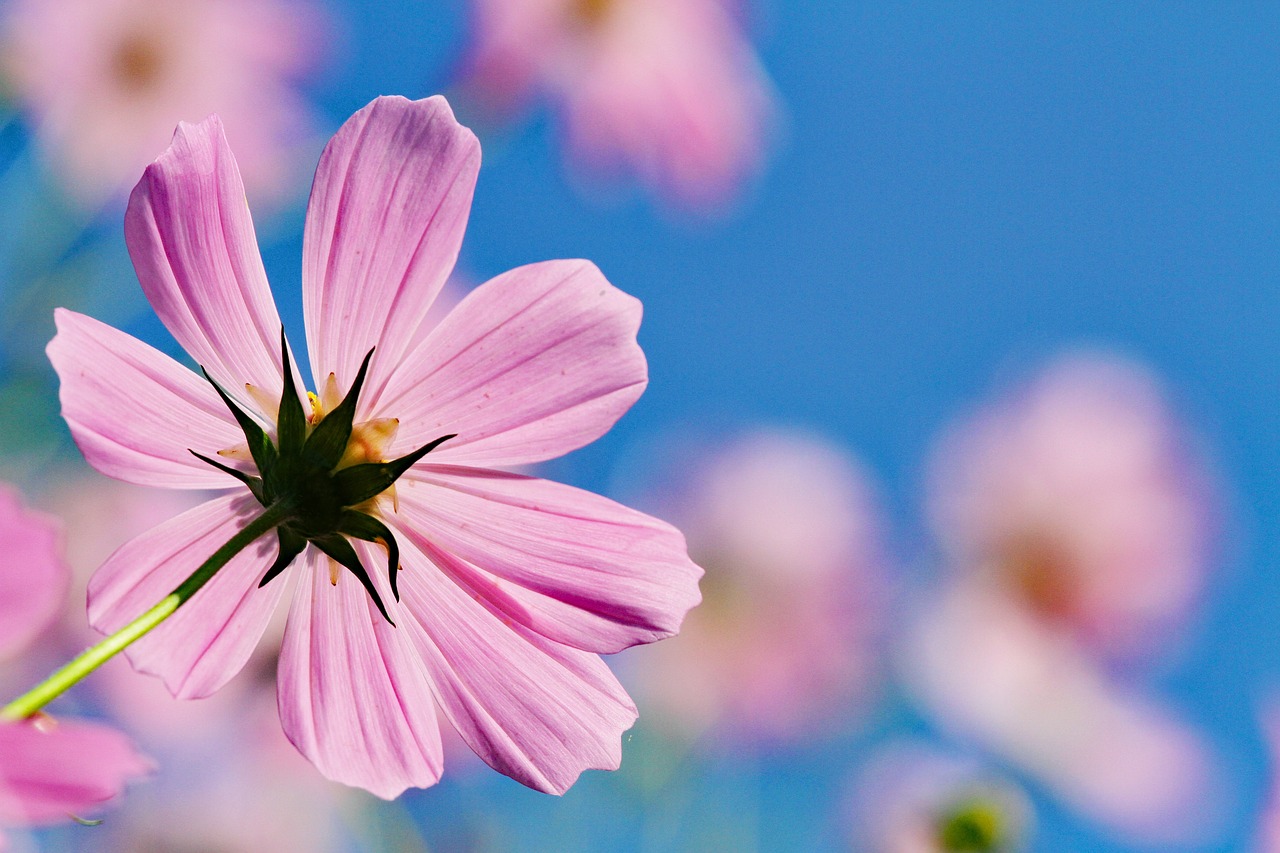
Summer is where most gardens peak, so the goal here is variety rather than volume. Mix long-blooming annuals like cosmos and zinnias with perennials such as coneflower, bee balm, and daylilies. Stagger your planting dates for annuals so they don't all flower at once. Then plan for late summer and fall: asters, sedum, Japanese anemone, and dahlias carry the garden into September and beyond, while ornamental grasses and dried seed heads extend the interest even after the flowers fade.
Filling the Gaps and Keeping Records
Once you have your rough calendar, look for the empty weeks and target them specifically. If you notice a lull in early August, for example, add a few plants known to bloom then in your region. Native perennials are especially useful here because they're adapted to local conditions and often bloom when little else does. Don't forget foliage — plants with colorful or textured leaves, like heuchera or artemisia, keep the garden looking alive even between flower flushes.
Keep a simple notebook or a note on your phone with the dates each plant actually blooms. After two or three seasons, you'll have a record that's tailored to your own yard rather than a generic guide, and you can refine your calendar year after year. The result is a garden that rewards you every time you step outside, from the first crocus to the last fading aster — and honeysuckle humming along through the warm middle of it all.