
 Turn a handful of fresh honeysuckle blossoms into a delicate floral syrup you can stir into drinks, drizzle over desserts, and gift to friends.

Growing Honeysuckle: A Beginner's Guide to This Fragrant Climber
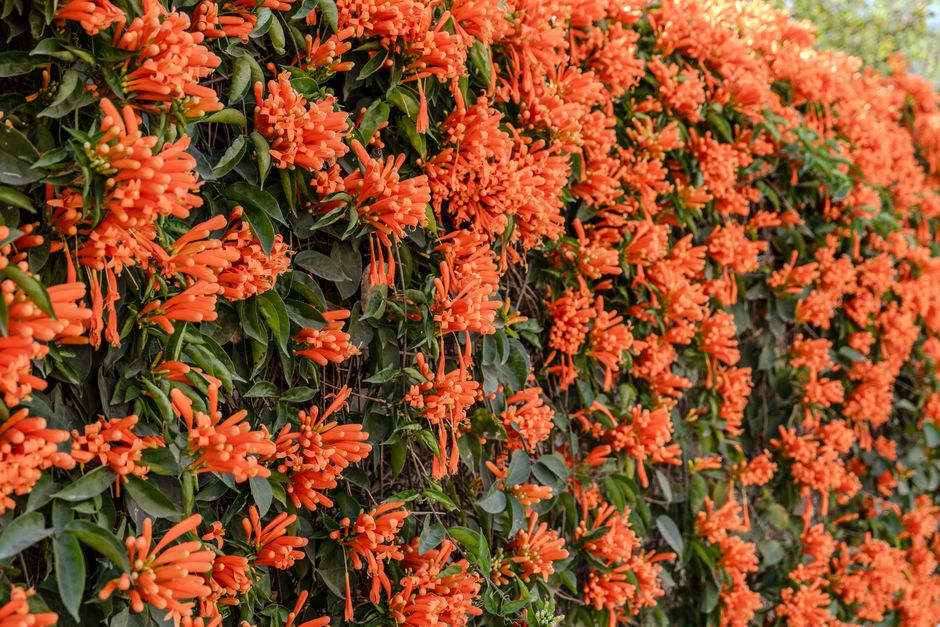
There's a moment every summer when the air suddenly turns sweet, and if you follow that scent, you'll usually find a honeysuckle vine tumbling over a fence or winding up a lamppost. It's one of those plants that feels like it belongs to everyone's childhood — you probably pulled the tiny trumpet flowers apart to taste that single drop of nectar without ever knowing its name. The good news is that growing honeysuckle yourself is far easier than most people expect.
The first thing to decide is which type suits your space. Twining varieties like Japanese honeysuckle wrap themselves around supports, while shrubby types such as bush honeysuckle grow more like a compact hedge. If you want that classic cottage-garden look, go with a climbing variety and give it something to grab onto — a trellis, an archway, or even an old wooden ladder leaned against a wall.
Planting and Early Care
Honeysuckle isn't fussy about soil, but it does insist on good drainage. Pick a spot that gets at least six hours of sun; the more light the plant receives, the more flowers you'll get. Dig a hole twice as wide as the root ball, loosen the roots gently, and settle the plant in at the same depth it was growing before. Water it deeply right after planting and keep the soil consistently moist through that first summer while the roots establish themselves.
Once it's settled, honeysuckle grows with almost alarming enthusiasm. That vigor is part of its charm, but it also means you'll need to pay attention. Feed it lightly in early spring with a balanced fertilizer, and resist the urge to overdo it — too much nitrogen gives you a jungle of leaves and very few flowers. A layer of mulch around the base helps retain moisture and keeps weeds down, but keep it a few inches away from the stem itself.
Training, Pruning, and Enjoying the Blooms
Young vines need a little guidance. As new shoots appear, gently wind them around your support and tie them loosely with soft twine until they learn to cling on their own. After the first year, pruning becomes your main job. Honeysuckle blooms on new growth, so cut it back in late winter or early spring before buds break. Remove any tangled or dead stems, and thin out the densest sections so light and air can move through. If your vine gets out of hand mid-season, a light trim after the first flush of flowers often encourages a second round.
Watch for aphids on tender new tips, and rinse them off with a strong spray of water before they become a problem. Powdery mildew can show up in humid, crowded conditions, which is another good reason to keep the plant thinned. With a little attention, a single honeysuckle vine can perfume an entire garden from late spring into early fall — and give you armfuls of blossoms for teas, syrups, and simple bouquets.